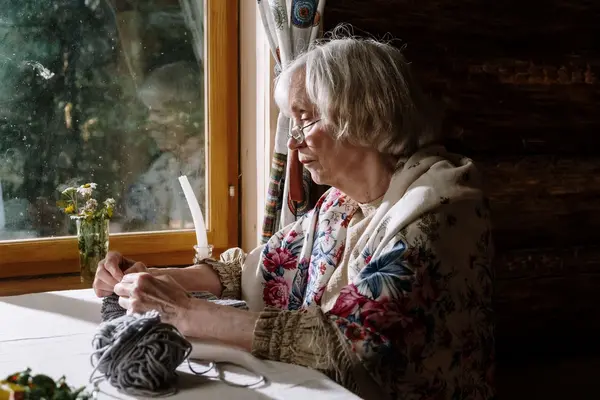
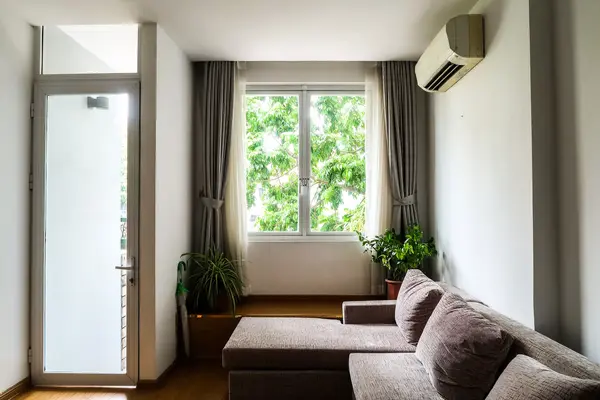
A family care home is a residential home licensed by North Carolina to care for two to six adults who need help with daily living. These are real houses in regular neighborhoods, inspected by state regulators, where residents receive 24/7 personal care, home-cooked meals, and medication support in a family-style setting.
If you have started researching senior care in the Charlotte area, you have probably found the large assisted living communities first. Family care homes are easy to miss. They do not have big signs or marketing budgets. Yet for many families, these small licensed homes turn out to be exactly what they were hoping to find.
This guide explains what a family care home is under North Carolina law, what daily life inside one provides, how the state regulates these homes, and how to tell whether one might fit your parent or spouse.
What Is a Family Care Home? The Official North Carolina Definition
North Carolina law uses one umbrella term — "adult care home" — for licensed residences that provide room, meals, and personal care to adults who need help with daily living. The state then sorts these homes by size:
- Family care home — an adult care home that serves two to six residents, usually a regular house in a residential neighborhood
- Adult care home — the label used for homes with seven or more residents; most large assisted living communities fall into this group
Both types are licensed by the Adult Care Licensure Section of the N.C. Division of Health Service Regulation, often shortened to DHSR. Family care homes also follow their own set of state rules — a chapter of the administrative code (10A NCAC 13G) written just for homes of this size.
Here is the simplest way to think about it: a family care home offers the same category of care as assisted living — help with bathing, dressing, medications, and meals — delivered in a six-person household instead of a large building.
What Daily Life in a Family Care Home Provides
Family care homes are built around ordinary household routines rather than programs and schedules. Day to day, residents receive:
- Personal care — help with bathing, dressing, grooming, toileting, and moving safely around the home
- Medication support — caregivers keep track of prescriptions and make sure doses are taken on time
- Home-cooked meals — three meals a day, usually served family-style at a shared table, plus snacks
- Housekeeping and laundry — cleaning, fresh linens, and personal laundry handled by staff
- Activities and companionship — simple, familiar pastimes like gardening, music, puzzles, and time on the porch
- Around-the-clock staffing — a caregiver is present in the home 24 hours a day, every day of the year
It is just as important to know what a family care home does not provide. These are not medical facilities. They do not offer skilled nursing care, such as IV medications or complex wound treatment. When a resident needs those services, a home health nurse or hospice team can usually visit the home — just as they would visit a private house.
How North Carolina Regulates Family Care Homes
Small does not mean unregulated. Family care homes answer to the same state licensing system as large communities.
- Licensing. Every family care home must hold a license from the DHSR Adult Care Licensure Section before it can accept residents. Ask to see it when you tour.
- Inspections. State surveyors inspect family care homes on a regular schedule, and adult home specialists from the county Department of Social Services also monitor homes and look into complaints.
- Star ratings. North Carolina rates both family care homes and larger adult care homes under its Star Rated Certificate Program, from zero to four stars, based on inspection results.
- Administrator and staff rules. The state sets requirements for who may run a family care home and how caregivers must be trained.
You can check any home's license yourself. DHSR publishes lists of every licensed family care home in North Carolina, so you can confirm a home near you is in good standing. When you visit, it is also fair to ask about the most recent inspection and the home's star rating.
How a Family Care Home Compares to Other Senior Care
Family care homes sit in the middle of the senior care spectrum: more support than living alone, less medical care than a nursing facility. For a complete walkthrough of every option, see our guide to alternatives to nursing homes in North Carolina. Here is the short version:
Family care home vs. assisted living facility
Both provide the same level of care under the same licensing system. The difference is scale: six residents versus dozens or even hundreds. Large communities offer more amenities, while small homes offer more consistency and one-on-one attention. Our family care home vs. assisted living facility comparison walks through the trade-offs in detail.
Family care home vs. nursing home
Nursing homes — also called skilled nursing facilities — provide round-the-clock medical care from licensed nurses for people with serious health conditions. A family care home provides personal care, not skilled nursing. If your loved one needs ongoing medical treatment, their doctor can help you decide whether a nursing setting is the right call.
Family care home vs. in-home care
In-home care brings a caregiver to your loved one's own house for scheduled visits — a few hours a day or a few days a week. A family care home offers something scheduled visits cannot: a caregiver present every hour of every day, plus meals, housekeeping, and the company of other residents.
Who Family Care Homes Are Best For
No single setting fits everyone. Family care homes tend to be the best match for:
- Seniors who find large communities overwhelming — long hallways, busy dining rooms, and rotating staff can be stressful for someone already anxious about moving
- People who need daily help but not skilled nursing — support with bathing, dressing, meals, and medications, without complex medical needs
- Those living with early-to-moderate memory loss — a quiet house, steady routines, and the same familiar faces each day can ease the confusion that comes with dementia
- Families who want a close relationship with caregivers — in a six-person home, you talk directly with the people who actually provide the care
If your loved one needs ventilator care, frequent injections, or other skilled medical services, start the conversation with their doctor or a hospital discharge planner instead. They can point you toward the right level of care.
A Real Example: TrueNest in Harrisburg
Sometimes the easiest way to understand a family care home is to look at one. TrueNest Senior Living is a licensed family care home offering senior living in Harrisburg, NC — a single residential house in Cabarrus County, just outside Charlotte, caring for a maximum of six residents with a one-to-three caregiver-to-resident ratio.
Founder Raeemah Redd built TrueNest around a simple idea: care should feel like family, not like a facility. Residents receive assisted living support — help with daily routines and medication reminders — and memory care for those living with Alzheimer's or another dementia, all under one roof, with the same caregivers every day.
Curious what an ordinary day looks like inside a small home? Our post on a day in the life at TrueNest follows the morning coffee, the family-style lunch, and the quiet evening routines that fill the house.
Seeing a Family Care Home for Yourself
Reading about small-home care only goes so far. The difference becomes clear the moment you walk through the door — the smell of a real kitchen, the calm, the way caregivers know every resident by name.
If you are exploring options for a parent or spouse, visit a few homes of different sizes and trust what you feel. You are welcome to schedule a visit to TrueNest any day of the week — come see what a North Carolina family care home really looks like, and bring every question on your list.
Frequently Asked Questions
How many residents live in a family care home?
In North Carolina, a family care home is licensed for two to six residents. Homes serving seven or more people are licensed as adult care homes instead. The six-resident limit is what keeps the setting feeling like a household — one kitchen table, a shared living room, and caregivers who know everyone well.
Is a family care home the same as assisted living?
They provide the same category of care. Under North Carolina law, both family care homes and larger assisted living communities are licensed adult care settings, and both help residents with bathing, dressing, meals, and medications. The real difference is size: a family care home serves no more than six residents in a regular house, while assisted living facilities often serve dozens.
Are family care homes licensed in North Carolina?
Yes. Family care homes are licensed by the Adult Care Licensure Section of the N.C. Division of Health Service Regulation (DHSR) and must follow detailed state rules. They are inspected by state surveyors, monitored by county adult home specialists, and rated under North Carolina's star-rating program. DHSR publishes lists of licensed family care homes so families can verify any home's license.
Can someone with dementia live in a family care home?
Often, yes. Many family care homes care for residents with Alzheimer's disease or another form of dementia, and the small setting helps — consistent caregivers, a calm house, and steady routines can reduce confusion. Ask any home you visit about its staff's dementia training and how it handles later stages of memory loss. Your loved one's doctor can help you judge the fit.
How do I find family care homes near me?
Start with the N.C. DHSR facility listings, which include every licensed family care home in the state. You can also ask the adult services team at your county Department of Social Services, your loved one's doctor, or a hospital discharge planner. Then tour two or three homes — meeting the caregivers in person tells you more than any list ever could.