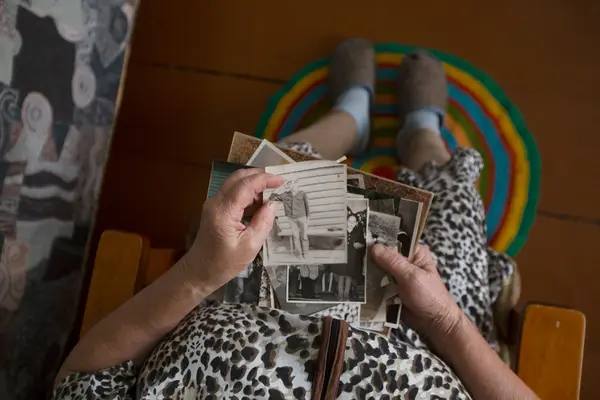
The early signs of dementia include forgetting recently learned information, difficulty planning or solving problems, trouble completing familiar tasks, confusion about time or place, new problems with words in conversation, misplacing things and losing the ability to retrace steps, poor judgment, and withdrawal from social activities. Recognizing these signs early gives Charlotte-area families more time to plan, seek medical guidance, and explore care options before a crisis.
Dementia Is Not Normal Aging
Dementia is not a specific disease — it is a general term for a decline in memory, reasoning, and thinking skills severe enough to interfere with daily life. The most common cause of dementia is Alzheimer's disease, which accounts for 60 to 80 percent of all cases according to the Alzheimer's Association. Other causes include vascular dementia, Lewy body dementia, and frontotemporal dementia.
It is important to understand that some degree of forgetfulness is a normal part of aging. Occasionally misplacing your keys, forgetting an acquaintance's name, or walking into a room and forgetting why — these things happen to most people as they get older. Dementia is different. It involves persistent, worsening changes in thinking and behavior that affect a person's ability to function independently.
Early detection matters because it opens the door to medical treatment that can slow progression, legal and financial planning while your loved one can still participate in decisions, and access to support resources that reduce caregiver stress. The sooner families recognize the warning signs, the more options they have.
8 Early Warning Signs to Watch For
1. Forgetting Recently Learned Information
One of the earliest and most common signs of dementia is forgetting information that was just learned. This goes beyond occasionally forgetting an appointment or a name — it means repeatedly asking the same question, relying heavily on reminder notes or family members for things that were previously managed independently, and forgetting important dates or events that were recently discussed.
Normal aging comparison: occasionally forgetting an appointment but remembering it later. Dementia: forgetting the appointment entirely and not recalling it even when reminded.
2. Difficulty with Planning or Problem-Solving
People in the early stages of dementia may have trouble following a plan or working with numbers. This might show up as difficulty following a familiar recipe, trouble keeping track of monthly bills, or taking much longer than usual to complete tasks that involve multiple steps. Concentration becomes harder, and mistakes become more frequent.
Normal aging comparison: making an occasional error when balancing a checkbook. Dementia: being unable to follow the steps needed to balance it at all.
3. Trouble Completing Familiar Tasks
Daily tasks that were once routine may become difficult. A person who has cooked the same meal for decades may forget key steps. Someone who has driven the same route to the grocery store for years may become lost. These are not occasional lapses — they are repeated struggles with activities that used to be second nature.
4. Confusion About Time or Place
People with early dementia may lose track of dates, seasons, or the passage of time. They may forget where they are or how they got there. Sometimes they have difficulty understanding something that is not happening immediately — they may think a past event is happening now, or become confused about what day or year it is.
Normal aging comparison: momentarily forgetting what day of the week it is but figuring it out. Dementia: not knowing the current season or being confused about being in their own home.
5. New Problems with Words in Conversation
A person in the early stages of dementia may struggle to follow or join a conversation. They may stop in the middle of a sentence and not know how to continue, or repeat themselves frequently. They may struggle to find the right word, calling familiar objects by the wrong name — for example, calling a watch a "hand clock" or a stove a "food heater."
6. Misplacing Things and Losing the Ability to Retrace Steps
Everyone misplaces things from time to time, but a person with dementia may put things in unusual places — like placing car keys in the refrigerator or a wallet in the oven. More importantly, they may not be able to retrace their steps to find the item again. As the condition progresses, they may accuse others of stealing.
Normal aging comparison: misplacing your glasses and then remembering you left them on the nightstand. Dementia: putting the glasses in the kitchen cabinet and having no memory of doing so.
7. Decreased or Poor Judgment
Changes in judgment and decision-making can be an early sign of dementia. This may show up as giving large amounts of money to telemarketers or strangers, paying less attention to personal grooming and hygiene, or making uncharacteristically poor decisions about safety — like leaving the stove on or going outside in winter without a coat.
8. Withdrawal from Social Activities
A person experiencing early cognitive changes may begin to withdraw from hobbies, social activities, or projects they once enjoyed. They may avoid situations that require them to remember rules, follow conversations, or engage with groups. This withdrawal is often driven by frustration, embarrassment, or awareness that something is not right — even before a diagnosis.
When to See a Doctor
If you are noticing a persistent pattern of these warning signs in a parent or loved one — not just an occasional lapse — it is time to talk with a doctor. A single incident of forgetfulness does not indicate dementia, but when these changes are ongoing and worsening over weeks or months, medical evaluation is important.
Start with your loved one's primary care physician, who can conduct an initial cognitive screening and refer to a neurologist or geriatric specialist if needed. The CDC recommends (opens in a new tab) that adults discuss cognitive health with their doctor as a regular part of annual wellness visits, especially after age 65.
Early diagnosis does not mean the end of independence. It means access to medications that may slow progression, time to make legal and financial plans, the ability to participate in care decisions, and connection to resources that support both the person with dementia and their family.
What to Do If You Notice These Signs
If you recognize several of these warning signs in a parent or loved one, taking action early makes a meaningful difference. Here are practical steps you can take:
- Write down specific examples of the behaviors you have observed, including dates and frequency, to share with a doctor.
- Schedule an appointment with your loved one's primary care physician for a cognitive screening.
- Talk with other family members to compare observations — they may have noticed things you have not.
- Contact the Alzheimer's Association 24/7 helpline at 1-800-272-3900 for free guidance, support, and local resources.
- Begin researching care options in your area so you are prepared if your loved one needs support in the future.
Memory Care Support Near Charlotte, NC
For families in the Charlotte metro area — including Harrisburg, Concord, Mint Hill, and surrounding communities — finding the right memory care provider early gives you time to evaluate options and make a thoughtful decision rather than a rushed one during a crisis.
TrueNest Senior Living is a licensed six-resident family care home in Harrisburg, NC that provides both assisted living and memory care in a real home environment. Our one-to-three caregiver-to-resident ratio, consistent daily routines, and familiar caregiving team are specifically designed to support residents living with Alzheimer's disease and other forms of dementia.
If you are concerned about a loved one's memory, we are here to help. Contact us to schedule a tour, ask questions, or simply talk through your family's situation with someone who understands.